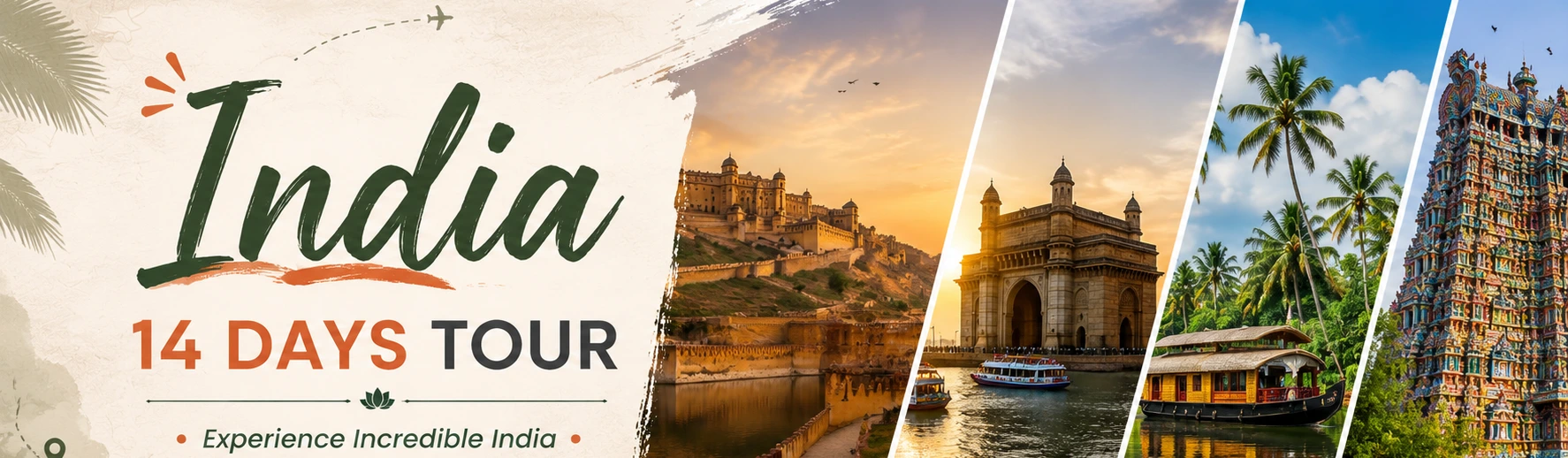

Tour plans often present India as a list - monuments, palaces, quiet waterways. Yet two weeks means little unless approached not as viewing, but noticing sequences, a journey Wander Nova’s India 14 days tour captures. Meaning emerges not from sights themselves, but transitions among them. Rail journeys. Bicycle cabs weaving through lanes. Unplanned halts at street tea stands where moments stretch long enough for thoughts to settle. Such pace teaches more clearly than pages of facts ever could.
The Rail Rhythm
Most mornings, Indian Railways send more than 13,000 passenger trains rolling across steel tracks. Though roads sometimes stop short, these trains keep going, linking towns tucked beyond asphalt paths. Riding the Mandor Express from Delhi to Jodhpur eats about six hours - slower than many expect, yet full of quiet detail on an India 14 days tour. As speed blurs nearby fences, the land outside begins a gentle change: golden wheat slowly gives way to dry shrubs. Earth tones shift too, stepping down from deep brown into something closer to iron stain. While cars rush past and planes float above, only rail travel catches such small turns in the ground's face. Cold drafts slip through windows, sunlight slants sharper when the wheels start turning. Not many notice, yet those hours between arrival and departure pack more than guidebooks show.
Midnight rides in second AC mean hard seats, yet they pull you into daily rhythms on an India 14 days tour. Vendors move between cabins, offering snacks wrapped in old newsprint - think spicy pastries or sealed meals passed across metal bars. Choices vanish before you can ask. Eating happens alongside everyone else, never by schedule - supper comes at dusk, breakfast near ten. Sunlight shapes hunger here, not numbers on a watch face. When stillness settles, hunger arrives - untimed, unannounced. This quiet shift reshapes what we anticipate.
Jodhpur to Pushkar Overland Travel
Past Jodhpur, the land settles into flat stretches. Rock outcrops fade as you approach Pali's wide-open spaces. Transport shifts - buses take over where rail lines stop, especially Rajasthan Roadways' regular services, which stay cheap by skipping private toll roads meant for tourists on an India 14 days tour. This stretch lacks dramatic views, yet runs alongside modest factories making cloth and concrete, workhorses missing from most travel stories. These places breathe routine existence, though guidebooks rarely mention them.
Down in a dip surrounded by low mountains, Pushkar breaks the pattern of hilltop forts common across Rajasthan. Water gives the place meaning - a rare lake here drinks from hidden groundwater, odd for such a dry land. Each morning before sun, visitors on an India 14 days tour step into the water, yet their flower necklaces stay behind piling up like slow rain. Cleanup work happens, though petals vanish slower than they arrive. Faith fills pockets through devotion even as nature strains beneath it all. A hush hangs under bright colors and constant prayer.
Out past the village, camel markets pop up now and then. Yet most months, those same animals pull loads along dusty trails instead of posing for photos. Visitors on an India 14 days tour get brief circuits on their backs - cleaned-up echoes of routes where freight used to move for days. Along the shoulder, men fix wagon frames using methods passed down two generations - dowels slotting wood, rims hammered back into round. They aren’t preserving tradition. They’re just keeping things running.
Jaipur Rises From Dust
Closer to Jaipur, smog greets the eyes, a phenomenon an India 14 days tour might encounter. Grey lines mark the marble walls, mostly on the north sides hit by winds dragging soot from distant factories. Even with workers scrubbing each day, lichen creeps across shadowed parts of Amber Fort’s slope. Light once bounced sharply inside Sheesh Mahal thanks to countless small mirrors, although now it fades under hazy skies after noon. What fills the air shifts every day, shaped long ago by farm fires burning in Punjab - connecting rural smoke to ancient halls without sound or notice.
Laid out in 1727, the city’s grid survives. Facing north, south, east, west, its broad avenues make finding your way straightforward. Yet today’s vehicles pay little mind to that old plan. Main roads choke with cars even as smaller lanes fill up - not with traffic, but stalls selling phones, turmeric, worn jackets, none of it logged by officials. Walking into Johari Bazaar on an India 14 days tour, you see polished shops right next to workers melting silver on the street. Rules are there, yet often ignored. Things somehow work - just not how official systems claim they do.
Most food in Jaipur, encountered on an India 14 days tour, carries a salty kick, sharp with spices - one reason is how hot it gets here. Sweating drains salt from bodies, so meals replace what's lost. Vendors tweak their cooking as seasons turn, though they never write down these changes. By March, a pyaaz kachori will hit the tongue unlike one sold come June - differences hide in the fryer’s heat, the onion’s juice, the pinch of masala. You won’t find notes on this shifting art, just hands that know.
Agra Beyond the Marble
Early light hugs the Taj Mahal tight when air stays cool. That quiet hour gives clear sight since moisture holds still. The dome seems near then, sharp without haze pushing back. Later sun warms stone until shapes waver like smoke above pavement. Visitors flood in on an India 14 days tour once clocks pass ten, herded by vans running long routes from nearby towns. Those groups move fast, stacking temples into one rushed timeline. Out near the western edge, about thirty miles off, sits that old Mughal town - built fast, left faster. Water ran short; people moved out long before politics could play a part. Red stone still stands firm today, uncracked by time. What broke down wasn’t belief or rule - but supply lines falling apart.
Most visitors to Agra on an India 14 days tour pass by Mehtab Bagh, a quiet garden facing the Taj across the river. Yet here, the view opens wide, crowds thin out, while old walls shape how you see the famous dome. Instead of walking through gates, eyes meet stone through gaps in crumbling arches. Meanwhile, the Yamuna crawls past - starved, shallow, tapped far upstream until only a fraction remains. That slow flow once fed channels meant to mirror sky and spire. Now moisture beneath the Taj shifts unevenly as aquifers dip lower each year. Saving its shine demands more than scrubbing surfaces. Downstream effects link directly to choices made beyond city edges, distant taps draining unseen sources.
Kolkata Shifting Eastward
Leaving Agra behind, the flight leaps past tangled woodlands where Chhattisgarh meets Odisha - terrain rarely seen from ground level. Kolkata waits without palaces or forts on an India 14 days tour, its streets shaped by different rulers altogether. Instead of domes and courtyards, wide avenues unfold under skies once claimed by colonial maps. Buildings like the Victoria Memorial rise where marshland once held sway, pulled dry through decades of effort. Yet when rains swell each year, water seeps back in quiet defiance, hinting at older forces still present beneath concrete and stone.
Out here, on an India 14 days tour, street snacks lean on mustard oil, plenty of fish, even far from the sea. Taste trails back to the Ganges delta, reaching deep inland. What many know as pani puri goes by phuchka, filled with tamarind water that bites harder. Cooks keep their methods close, yet what shifts is where things come from - how long vinegar ferments, which green chilies grow nearby - never magic mixes. Words shift just the same. Out here, Bengali letters show up every time, while Hindi takes over once you move west. The signs carry their own shape, not just copied from elsewhere.
Out here, Kolkata keeps its trams alive on scattered paths on an India 14 days tour, mainly for locals going about their days. A ride feels less like sightseeing, more like stepping into morning patterns - kids heading to class, vendors setting up near rails. Movement flows at the speed of sidewalk life, unhurried. Even as new metro lines stretch across the city, these old cars keep rolling. Their survival hints at something odd: outdated things sometimes stick around not because they work well, but because tearing them down takes too much effort for little gain.
Varanasi: River Time
Some mornings near the Ganges on an India 14 days tour carry a rich soil scent, while later it shifts toward something sharp, almost industrial. Though waste cleanup began decades ago, outlets still feed into the water here and there. Life along the steps follows its own rhythm - flames rise early, then again when sun dips low, ceremonies shift with tides, crowds swell under certain moon phases. What outsiders overlook is how routine work shapes devotion - washing flesh, stacking wood, spreading remains - these acts blur with prayer. Each movement's answers need just as much as belief.
Out past dawn on an India 14 days tour, boats glide by floating houses where silk workers live - these aren’t tourist acts, just daily life. Woven slowly, Banarasi saris need whole weeks, built on methods borrowed from old Persian frames. These days, younger hands pull up patterns on screens, yet still sit at the same handlooms. Elsewhere, machines churn out lighter versions fast, though global labels prefer pieces made by hand. What keeps it alive isn’t heritage alone, but trade laws that back handmade work.
Twists through tight alleyways on an India 14 days tour keep maps guessing. Signals drop without warning. Finding your way leans on markers like shrines, roadside stalls, a crooked banyan tree. Space gets stored in minds differently here. People name spots using stories - “by the place the storm broke the gate” - not street numbers. Even with smartphones everywhere, these spoken routes stick around because uneven ground doesn’t fit neat grids. Old habits hold firm when new systems can’t quite reach.
Final Stretch Delhi Revisited
Back in Delhi on an India 14 days tour, things come full circle, yet everything feels different somehow. The noise that once overwhelmed now shows patterns - sidewalk sellers stick to familiar corners, subway turnstiles channel crowds like rivers, green spaces run on silent rhythms known only through repetition. Humayun’s Tomb seems hushed, maybe due to sharper eyes after time spent watching. Landmarks settle into memory as markers, not goals.
A fortnight on the road, as an India 14 days tour reveals, won’t show you what people call “the real India.” That idea suggests one hidden truth behind all differences. Truths here overlap instead - old rhythms next to new habits, none wiping out the rest. Forward motion never follows a straight path. Urban spaces stack time: colonial pipes below digital highways, paper slips beside instant transfers. The journey makes sense only if confusion is part of the plan.
Move In A New Way
Start nowhere near convenience on an India 14 days tour. India favors watchers of change over finish-line hunters. Ride vehicles with open sightlines instead. Grab meals at local hours somehow. Missed schedules reveal hidden seconds, just wait. Notice how the breeze changes before you see a new town. Sound grows softer between cities. Rhythm slows without warning. This land speaks in rough stone, damp soil, and sudden quiet. Not signs. Not words.
Move through your first two weeks without chasing famous spots. When paths shift because of rain, protests, or celebrations, go along. Stiff schedules show less than loose ones. Talk to drivers, market sellers, others on board. Try asking: "What feels different now compared to before?" or "Where do you take breaks during work?" Their words trace hidden patterns under places.
Open afternoons stay free. Skip booking right through. Across India, life shifts outside standard hours - think temple cleaners once prayers finish, teachers heading back from class, packages showing up ahead of dusk. Function rules here, never just display. Bring along refillable bottles, reusable carry sacks - trash handling changes place to place. At delicate locations, obey photo restrictions; certain groups see taking pictures as taking too much.
Start by linking towns using land routes when you can. Trains through the night? They shape endurance slowly. Rides on crowded coaches tend to stretch your tolerance. Moving on foot for a couple of hours daily helps - try dawn, then again near dusk. Watch how shadows redraw familiar places once harsh daylight fades. Discomfort isn’t a sign you’ve slipped up; it tells you something real.
Just one true way? Doesn’t exist. Yet noticing how things move - bodies, cargo, rivers, wind - opens understanding far beyond tallying landmarks. Start your journey with Wander Nova.
FAQs
Q. International SIM Cards in India Reliability?
A. Only a few options exist. Getting a local prepaid SIM, which needs ID proof, handles internet and phone use more smoothly.
Q. Is tap water safe anywhere?
A. Stick to bottled or filtered water anywhere in the nation. That choice works best across regions.
Q. Check if you need shots before travel?
A. Start by checking with medical experts nearby. Vaccines for hepatitis A - also typhoid - are often recommended there.
Q. Foreigners Can Ride Regular Indian Trains?
A. Of course. Secure your ticket via the IRCTC site or a licensed agent. Bring valid identification. One without the other won’t work.
Q. Are credit cards widely accepted?
A. Most big hotels plus shopping centers take cards. Yet street sellers often want paper money instead.
Q. Is bargaining expected in markets?
A. Bargain hunting fades where visitors gather. Stores tied to big brands skip haggling - what’s marked is what you pay.
Q. When works best for this trip plan?
A. Cooler weather shows up between October and March. Skies turn sharper when the air settles down during these months.
Q. Are vegetarian options available everywhere?
A. Folks eat lots of different foods, but what shows up on plates shifts across areas. In Gujarat and Rajasthan, many stick to plant-based dishes.
Q. Can I visit religious sites in casual clothing?
A. Entering many temples and mosques means dressing simply. Knees must stay hidden. Sleeves should cover shoulders fully.
WanderNova Services
Best Flight Deals
Mumbai to Delhi Flight Tickets | Mumbai to Bangalore Flight Tickets | Kolkata to Mumbai Flight Tickets | Kochi to Abu Dhabi Flight Tickets | Lucknow to Riyadh Flight Tickets | Delhi to Ahmedabad Flight Tickets
Domestic Flights
Pune to Bangalore Flights | Chennai to Delhi Flights | Bangalore to Chennai Flights | Mumbai to Delhi Flights | Bangalore to Hyderabad Flights | Ahmedabad to Goa Flights | Mumbai to Kolkata Flights | Hyderabad to Delhi Flights | Bangalore to Goa Flights | Mumbai to Goa Flights
International Flights
International Flights Booking | Delhi to Dubai Flights | Delhi to Bangkok Flights | Delhi to Toronto Flights | Mumbai to Dubai Flights | Delhi to Singapore Flights | Delhi to London Flights | Delhi to Kathmandu Flights | Mumbai to London Flights | Chennai to Singapore Flights | Mumbai to Singapore Flights | Delhi to New York Flights | Kolkata to Bangkok Flights
Best Hotel Deals
Hotels In Dubai | Hotels In Mumbai India | Hotels In Pune India | Hotels In Singapore | Hotels In Kochi India | Hotels In Munnar India | Hotels In Bangkok Thailand | Hotels In Kuala Lumpur Malaysia | Hotels In Mecca Saudi Arabia | Hotels In Mahabalipuram India
Apply Visa Online
Dubai Visa Online | 14 days Dubai Visa | 30 days Dubai Visa | 60 days Dubai Visa | Dubai Transit Visa | UAE Visa | Singapore Visa | Malaysia Visa | Thailand Visa | Sri Lanka Visa | US Visa | UK Visa | Schengen Visa | Canada Visa | Australia Visa | New Zealand Visa | France Visa | Italy Visa | Turkey Visa Online | Philippines Visa | Cambodia Visa Online | Vietnam Visa Online | Oman Visa
International Tour Packages
Dubai Tour Packages | Singapore Tour Packages | Thailand Tour Packages | Malaysia Tour Packages | Sri Lanka Tour Packages | US Tour Packages | United Kingdom Tour Packages | South Africa Tour Packages | Europe Tour Packages | Bali Tour Packages | Mauritius Tour Packages | Maldives Tour Packages | Cordelia Cruise Packages
Domestic Tour Packages
India Tour Packages | Goa Tour Packages | Kerala Tour Packages | Leh Ladakh Tour Packages | Himachal Tour Packages | Andaman Tour Packages | Rajasthan Tour Packages | Uttarakhand Tour Packages | Jammu and Kashmir Tour Packages
Packages by Themes
Honeymoon Packages | Adventure Packages | Visa on Arrival Packages | Family Packages | Romantic Packages | Weekend Getaways Packages
Leave a Comment
Your email address will not be published. Required fields are marked *