

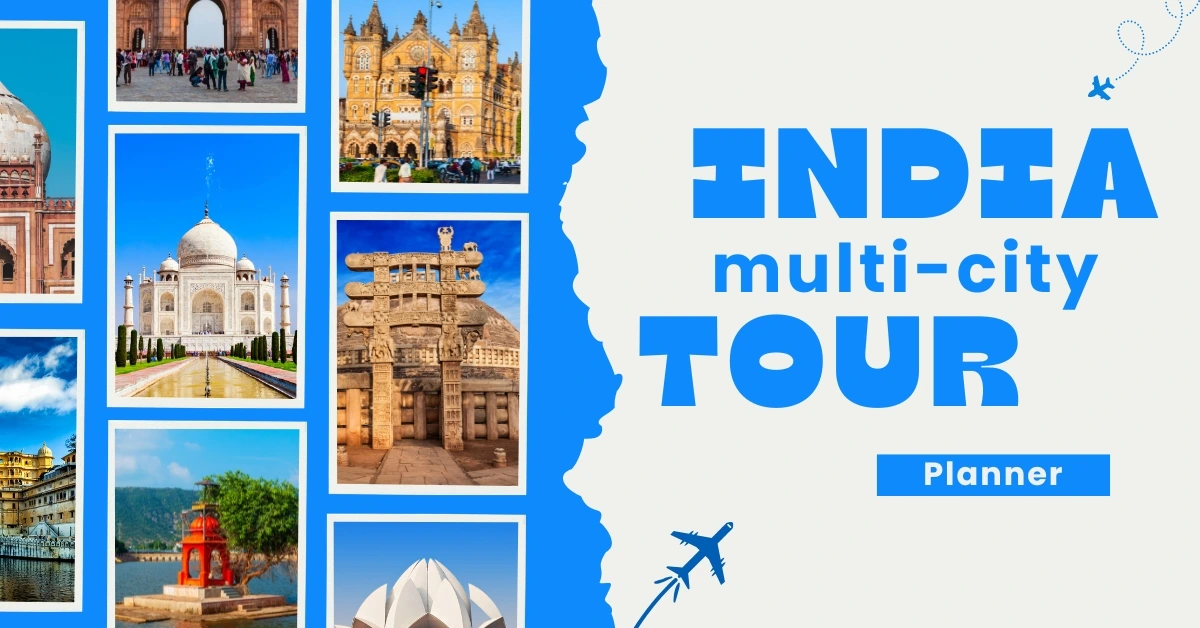
Across India, with Wander Nova, travel moves without schedules. Instead, it dances to the beat of packed streets, changing weather, odd delays, strange train stops, festival timing. Choosing cities? That is only part of it. The real step comes by matching your steps to life already flowing. Most trains between Delhi and Kolkata operate every day. Yet tickets become available just four months early - sleepers typically go by mid-morning once the system opens at eight o’clock exactly. It is this clockwork moment - not sunshine or guidebook advice - that quietly shapes whether travel unfolds easily… or collapses right at the platform.
What paths we take changes more than just location for an India multi-city tour planner. Hidden rhythms run beneath them. Most visitors stick to Delhi, Agra, and Jaipur - the so-called Golden Triangle - but crowds there swell highest not at festival times, rather in winter months when international flights fill up. Step a little aside from that circle - add Mathura or Fatehpur Sikri into motion - and hours on road rise only slightly, though bodies per square meter fall fast. Tiny shifts like these ease pressure. They open space for exchanges unpolished by routine. Near big landmarks, street sellers adjust words along with costs; further away, speech comes unwrapped.
Urban transitions go beyond just transportation
Out of nowhere, moving between cities demands adjustment, something an India multi-city tour planner quickly learns. Every big city in India moves at its own rhythm. While Mumbai sprints ahead, Chennai takes its time, and conversations spill loud onto Kolkata streets. Unaware of such differences, exhaustion sets in quicker than travel itself. Though Hyderabad simmers with leisurely biryani traditions, stepping into Bengaluru’s instant café life brings surprise - despite both being southern centers of tech.
Some ways to travel make this clearer for an India multi-city tour planner. Buses that run at night link up most capital cities, though how smooth they feel ties closely to the roads, which change without warning. Highways such as NH44 stretch across vast distances, still fixes to the pavement pop up only now and then. A long section might roll by quietly; after that, a bumpy ride can go on much too long. Leaving early means you might dodge bumpy roads, yet still face shaky plans on rails. Snap-up seats drop online a single morning prior - timing matters more than luck if you want a spot. Getting in fast helps, especially when names and info are already waiting behind the screen.
Out here, shared rides link close-by places, a detail an India multi-city tour planner must master. Leaving from a temple lot or fuel station in Rajasthan, tiny vans ignore bus depots completely. People get around quickly through these unofficial setups, though tracking one down means chatting ahead of time - sometimes the evening prior. Knowing words matters. Simple local speech pulls out details you won’t see anywhere online.
Climate Influences Travel Plans
Heat shapes choices more than sights ever could, a factor an India multi-city tour planner considers. Mornings matter most when North India bakes under summer sun. Around 11 o’clock, doing anything outside wears you down fast - Jodhpur, Varanasi, it hits hard. Get into forts or reach river edges early, say before nine, just to stretch your hours. Cold months flip the script: mist clings to tracks across Uttar Pradesh. Trains stall often between December and middle February, particularly near Prayagraj or Lucknow.
Rain rolls into Kerala come June - foliage thickens, costs sink - but certain backwater paths shut until waters settle, a seasonal note for an India multi-city tour planner. Meanwhile, monsoon dims Goa’s coast; slides threaten roadways, electricity flickers, visitors stay away. In contrast, Karnataka’s interior takes it gently; peaks such as Agumbe open up only now.
High up, things change, which an India multi-city tour planner must account for. Even during July, nights in Srinagar turn cool quickly once the sun drops. To enter Ladakh safely, breaks are required by law in certain zones - travelers ride only after drivers wait two full days past Leh. Skip those pauses, and headaches strike, often confused with mere tiredness. Adjustment takes time. Nothing you swallow fixes that faster.
Cultural Timing Affects Availability
When festivals arrive, some places welcome crowds while others go quiet, a variable an India multi-city tour planner tracks. During Diwali, houses glow like lanterns, shops sparkle - yet postal hubs vanish from view until the celebrations fade. In Kolkata, Durga Puja reshapes streets; buses reroute to make space for moving parades. Public desks at offices disappear behind locked gates for nearly a week. Checking event dates helps avoid timing that trips you up.
Hush falls over holy places by design, insight an India multi-city tour planner values. Though the Golden Temple feeds everyone around the clock, snapping pictures stops when midnight hits. On some Thursdays, Ajmer Sharif allows only Muslim guests inside. You won’t find every rule posted online. Asking someone nearby still makes sense. Quiet begins where reverence takes hold.
Besides shifting with seasons, markets carry old habits in their bones, history an India multi-city tour planner taps into. From November through March, Kochi's spices come sharper, a leftover rhythm from monsoon-powered sails that once ruled supply routes. In Kanchipuram, weavers lay down tools under full moons - quiet nods to farming cycles long past. Anyone keen on watching silk threads form might want to steer clear of those lunar pauses.
Logistics Over Landmarks
Surprisingly, most travel tips miss the point entirely, as an India multi-city tour planner knows. Logistics quietly decide how well a trip goes - something barely mentioned. Getting a local SIM? It now demands days instead of hours, plus scanned passports and proof of where you’re staying, even if just passing through. Missing that step means no internet, which breaks payment apps completely. People fall back on cash when screens go dark, yet machines often have none by Saturday in remote spots.
When electricity cuts out, some places can’t keep things running, a risk any India multi-city tour planner prepares for. Without backup systems, guests lose access after six in the evening. A phone plugged in then could stay unplugged till departure. Carrying a small battery pack just makes sense - people do it every day. Plugs differ by location, so adaptors that fit multiple kinds come in handy. While Type C shows up most, you’ll still spot D and M depending on where you are.
Bags shift shape when travel shifts type, a packing nuance an India multi-city tour planner respects. Above-seat spots vanish on cheap train rides. The under-bench room favors zip-secured carry-ons instead of hard-sided cases. When buses pack full, any luggage gets left behind entirely. Still working under railway permits, porters at stations wear numbered badges that mark them as coolies. Expect tips, though there's no set amount - small denominations work fine.
Most people overlook health risks, a gap an India multi-city tour planner fills with precautions. Even luxury hotels serve tap water that can make you sick. Bottled water helps, yet it leaves behind growing piles of plastic. Instead, some carry filtering straws or UV pens - when they can find them. These options exist, but never seem to be on hand when needed. Fried treats at roadside spots often carry danger - not so much from dirty hands, but from old oil cooked again and again. Picking vendors who prepare items fresh means fewer harmful leftovers end up on the plate.
Food Order Matters More Than Mix
Out here, what grows shapes what's eaten, a culinary map an India multi-city tour planner follows. Because Punjab produces so much wheat, flatbreads became common. Along Odisha’s coast, people cook more with rice and pulses. Meals tied to harvest rhythms often stay close to homegrown grains. North of the Vindhyas, plates fill up with wheat-based foods. Down south, a different pattern appears - fermented staples like idli or dosa rise slowly through night-long cultures.
Heat tastes different now, a lesson an India multi-city tour planner uncovers. Through Portugal, chilies arrived in India during the 1500s. Earlier, fire came from black pepper, also mustard seeds. In parts of Tamil Nadu, certain temple cooks avoid chilies when ceremonies run deep. Those chasing what once was may stumble on ancient mixes inside rituals, not city menus.
Later meals suit some better, advice an India multi-city tour planner shares. By half past seven, many Gujarati homes finish eating. In Bengal, plates land on tables nearer nine. Outside busy visitor zones, few places cook after that. Hotels rarely bring food late. When hunger hits between times, people grab bites. Most ready-made snacks lean heavy on sugar or salt - rarely both, never plain.
A Practical Way to Handle Routes Across Multiple Cities
Flip your travel plan upside down, a strategy an India multi-city tour planner employs. Begin at the end, with where you leave, then work back through how you return. This way shows which places actually make sense to enter first. Arrive in Mumbai, exit from Delhi - that path moves you naturally across regions without doubling back too much. Add extra days not to relax, yet to catch up when transport slips behind schedule - small lags pile fast.
One fresh city every two days works better, a pacing tip from an India multi-city tour planner. After sunrise there, body clocks sync without strain. Surprises like shut attractions matter less when time stretches out. Jumping too fast splits focus into pieces. Staying longer folds experience inward.
Most people take trains when they can, a preference an India multi-city tour planner builds around. Every day, more than 8 million ride India's railways, spread over thirteen thousand trains or so. Trains go farther into smaller towns compared to planes. Getting a seat on IRCTC means waiting - those image puzzles change fast. Still, once booked, train trips often run smoother than flights when rains hit.
Start at street level whenever possible, a philosophy an India multi-city tour planner lives by. Arriving by rail or coach situates you in ways flights cannot, since airfields typically lie distant from downtown. As districts pass by the window, your mind maps the layout gradually. Rides from terminals tend to hide the city behind highway walls.
Staying put for four days? Look for rooms with small kitchens. Cooking your own meals saves money while keeping food choices safe. One fixed spot means less suitcase chaos halfway through. Fewer moves add up to calmer mornings.
One last tip before you go.
A piece of paper beats any software. This scrap holds your plans, passed to people nearby - those at small hotels, cab operators, store workers close to where you rest. When screens go dark, messages vanish. Scribbled lines work better, particularly with cues like “beside the green market stall”, fixing gaps in talk.
Start with more than just landmarks. Every city needs a list: where to charge devices, find clinics, refill mobile data. Write down police posts too - passports vanish sometimes, needing quick replacement papers. Not because you’re scared, simply prepared.
Start small with Wander Nova. Pick three places at first - Chennai, then Pondicherry, followed by Tanjore - before tackling longer routes. Feel the rhythm of travel here. Move when it feels right.
FAQs
Q. Why avoid intercity flights for shorter distances?
A. Getting to the airport eats up time when flying short hops below 500 kilometers - trains sometimes beat that start to finish. Security checks pile on minutes, then there is baggage wait afterward. In rainy seasons, flight holdups climb sharply across India's east. Train trips dodge most of those stop-and-go hassles.
Q. Are e-rickshaws reliable for daily use?
A. Most smaller Indian cities find e-autos handy for quick local travel. After nine at night though, spotting one gets tough. Main roads see steady service, yet side areas often miss out. These vehicles help - just do not expect them everywhere.
Q. How Much Cash Should I Carry?
A. Most villages tucked in high valleys have spotty machine service. When moving through places like Himachal, plan ahead - stash four days’ worth of cash at least. Remote corners of Uttarakhand often lack backup options. The northeast? Same story. Machines vanish beyond main roads.
Q. Do international driving licenses work?
A. Fine if you’ve got the right visa and a passport that’s still good. Checks happen now and then - traffic cops out near the mountains tend to stop riders more often, since scooter rentals pop up all over those roads.
Q. Is tap water safe after filtering?
A. Water needs cleaning, yet filters only catch dirt. To kill germs, boiling works every time. A UV tool can help - if it has power and the liquid is see-through.
Q. Can I book heritage palace hotels at the last minute?
A. Not often. Most estates managed by royalty keep guest numbers low, filled every season. Aim to secure your stay half a year prior if visiting between spring and fall.
Q. Are guided tours necessary for archaeological sites?
A. Though optional, recorded tours aren’t common. To get more meaning than displays offer, people hire locals who know the place - look for ID tags they wear. Cash covers their small fee.
WanderNova Services
Best Flight Deals
Mumbai to Delhi Flight Tickets | Mumbai to Bangalore Flight Tickets | Kolkata to Mumbai Flight Tickets | Kochi to Abu Dhabi Flight Tickets | Lucknow to Riyadh Flight Tickets | Delhi to Ahmedabad Flight Tickets
Domestic Flights
Pune to Bangalore Flights | Chennai to Delhi Flights | Bangalore to Chennai Flights | Mumbai to Delhi Flights | Bangalore to Hyderabad Flights | Ahmedabad to Goa Flights | Mumbai to Kolkata Flights | Hyderabad to Delhi Flights | Bangalore to Goa Flights | Mumbai to Goa Flights
International Flights
International Flights Booking | Delhi to Dubai Flights | Delhi to Bangkok Flights | Delhi to Toronto Flights | Mumbai to Dubai Flights | Delhi to Singapore Flights | Delhi to London Flights | Delhi to Kathmandu Flights | Mumbai to London Flights | Chennai to Singapore Flights | Mumbai to Singapore Flights | Delhi to New York Flights | Kolkata to Bangkok Flights
Best Hotel Deals
Hotels In Dubai | Hotels In Mumbai India | Hotels In Pune India | Hotels In Singapore | Hotels In Kochi India | Hotels In Munnar India | Hotels In Bangkok Thailand | Hotels In Kuala Lumpur Malaysia | Hotels In Mecca Saudi Arabia | Hotels In Mahabalipuram India
Apply Visa Online
Dubai Visa Online | 14 days Dubai Visa | 30 days Dubai Visa | 60 days Dubai Visa | Dubai Transit Visa | UAE Visa | Singapore Visa | Malaysia Visa | Thailand Visa | Sri Lanka Visa | US Visa | UK Visa | Schengen Visa | Canada Visa | Australia Visa | New Zealand Visa | France Visa | Italy Visa | Turkey Visa Online | Philippines Visa | Cambodia Visa Online | Vietnam Visa Online | Oman Visa
International Tour Packages
Dubai Tour Packages | Singapore Tour Packages | Thailand Tour Packages | Malaysia Tour Packages | Sri Lanka Tour Packages | US Tour Packages | United Kingdom Tour Packages | South Africa Tour Packages | Europe Tour Packages | Bali Tour Packages | Mauritius Tour Packages | Maldives Tour Packages | Cordelia Cruise Packages
Domestic Tour Packages
India Tour Packages | Goa Tour Packages | Kerala Tour Packages | Leh Ladakh Tour Packages | Himachal Tour Packages | Andaman Tour Packages | Rajasthan Tour Packages | Uttarakhand Tour Packages | Jammu and Kashmir Tour Packages
Packages by Themes
Honeymoon Packages | Adventure Packages | Visa on Arrival Packages | Family Packages | Romantic Packages | Weekend Getaways Packages
Leave a Comment
Your email address will not be published. Required fields are marked *