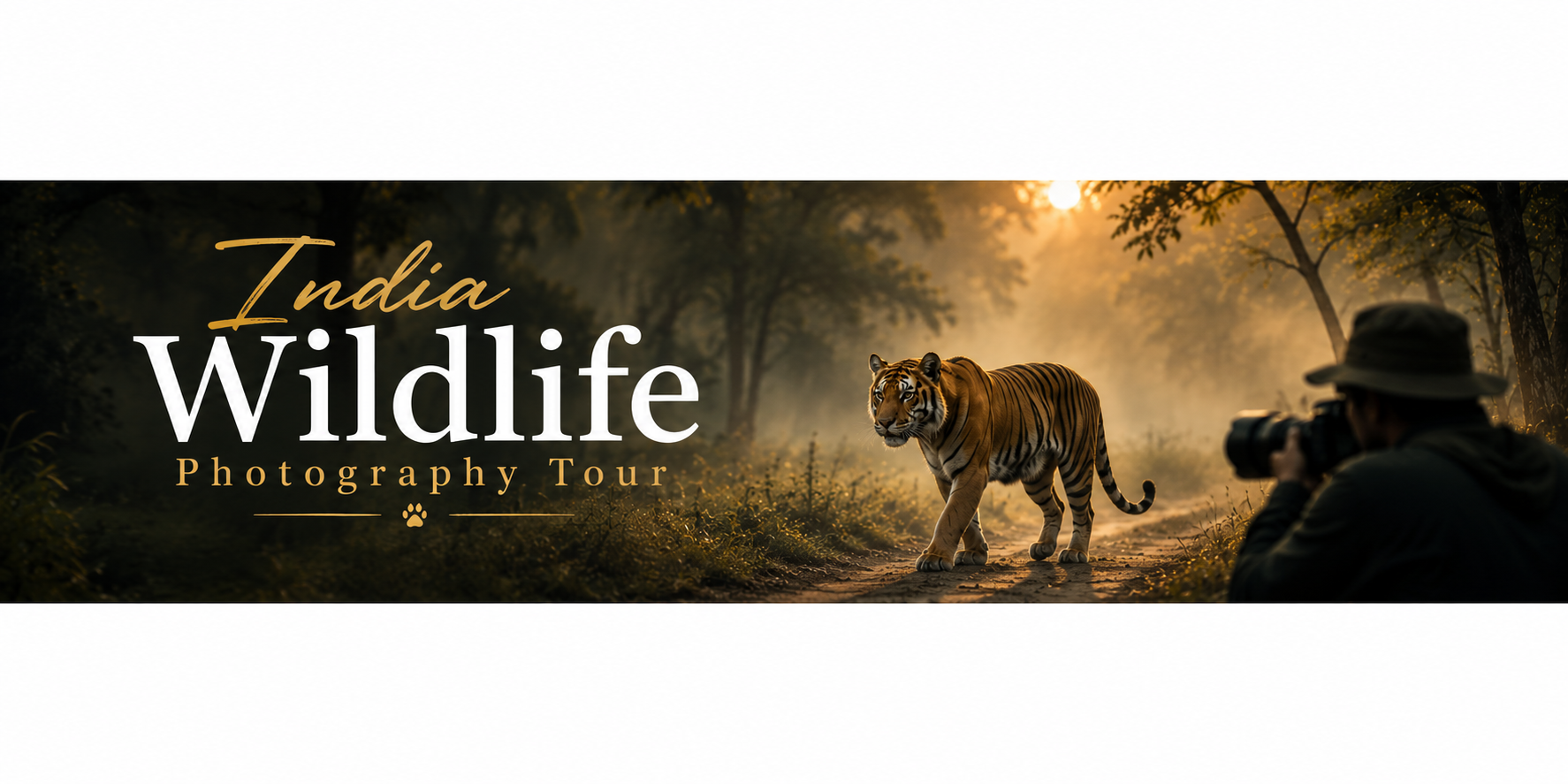

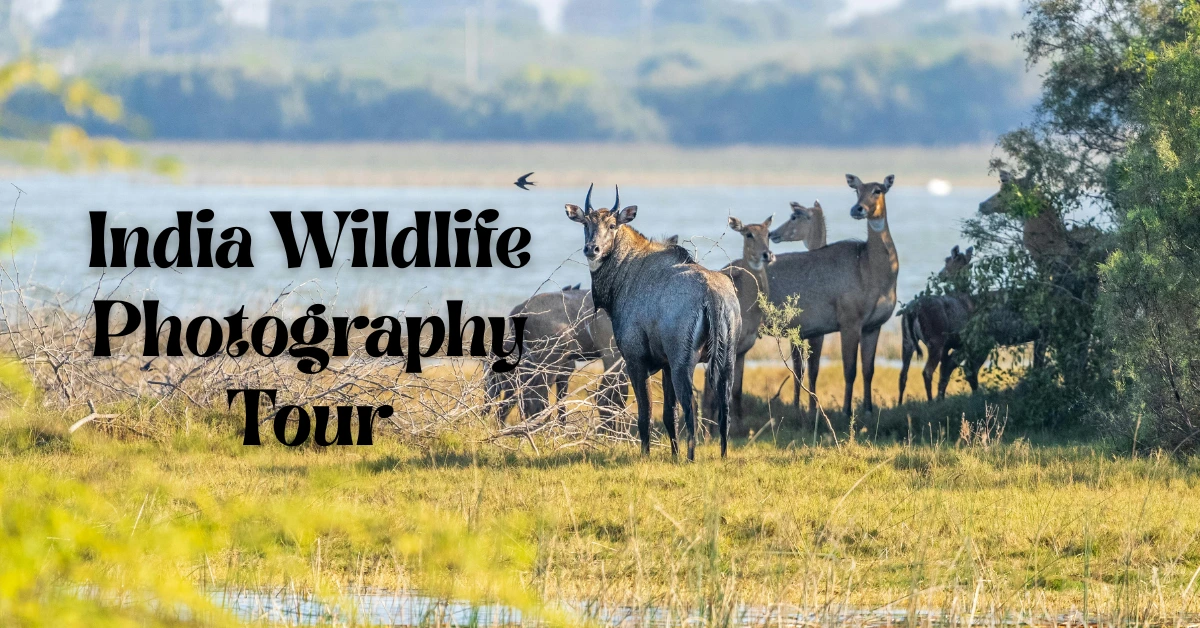
Stillness speaks louder than motion sometimes. With Wander Nova, deep in India's woodlands, trackers stop when sound vanishes, not when claws flash. Birds falling quiet hints at passing danger better than any roar carried on wind. What hides beyond view - the gap between noise and calm - shapes the image most worth taking. Some come chasing bright moments - tigers stepping into open glades, elephants ghosting out of fog, hornbills knocking through sunlit branches - on an India wildlife photography tour. Yet the real pulse of India’s wilderness hums beneath what eyes first catch, a truth every India wildlife photography tour reveals.
Waiting happens often in places such as Kanha, Bandhavgarh, and Ranthambore - yet those pauses hold meaning. Between glimpses, stories form through what animals recall, how land guides them, alongside quiet marks left by people years ago. Old paths once used for timber, though hidden under growth today, still pull movement toward them on an India wildlife photography tour. Cameras set nearby catch more signs of life than elsewhere. Even when roads vanish, the earth keeps a trace of their line. Seeing this helps lens holders choose spots where history steers present motion.
The Hidden Role of Village Nature
Protected spaces in India are not cut off from people. Outside reserve borders, villages quietly influence how wildlife acts. Close to Nagarahole, elephants change when they move at night depending on where houses stand and how bright village lights shine near tree lines. Scattered growth leaks light into dark hours, messing up normal patterns of blackness, which drives plant-eating animals farther inside parks when the moon is just right, altering the rhythm of any India wildlife photography tour. Camera shots evolve not due to more creatures showing up, yet because timing gets harder to guess.
You won’t see this connection spelled out in most travel leaflets. Golden light gets advertised, sure - yet they skip how farm watering routines shift when that glow actually shows up, changing dust and morning fog. Timing shifts too; bird arrivals often follow harvest cycles instead of fixed months, since crops decide bug numbers. Knowing fields isn’t about swapping technique - it sharpens when you press the shutter on an India wildlife photography tour.
Camera Settings Are Not As Important As Movement
Most beginners fixate on gear - how quick a shutter fires, how far a lens reaches. Yet the truth slips by: spotting patterns when deer move matters more than megapixels. Tools feel important until you sit quietly at dawn and realize behavior speaks louder. A slow camera with sharp eyes wins over a rapid one with none. When rains soak central India, plants grow thick and quick. Because of this, deer multiply in those green patches. Hungry tigers then stick to tighter zones where food gathers closely. Their paths shrink without warning. Sightings jump - not because drivers are smarter, but because cats wander less, a key insight for an India wildlife photography tour. A still forest tells more than a high-priced viewfinder ever could.
Hidden shifts shape these patterns in ways rarely discussed. When broken landscapes push creatures into smaller zones, snapshots near trails grow more frequent - yet show less variety. One tiger moving through a thin stretch between fields can appear often on camera, suggesting numbers are steady. Other animals, such as the rusty-spotted cat, stay unseen not just because there are few, but because they never come near paths where people travel on an India wildlife photography tour. These lives unfold off-route, outside sight.
Most busy areas show just one side of the picture. Because some photographers stick strictly to marked trails, what they see comes limited by where they can go. When others choose quieter times and step beyond usual routes, fresh moments appear - before sunrise once, someone watched wild dogs pass through dry teak woods without sound, something drivers almost always miss because engines scare them off, a moment an India wildlife photography tour can capture.
Thermal Memory Of Landscapes
Night scans across Gujarat’s Gir show a quiet detail: leopards pick rocky rises not just for wide views, yet also due to how stone holds warmth better than earth. In colder seasons, those spots turn into small heated pockets - visible through infrared eyes after dark. While most visitors lack heat-sensing tools, knowing about retained warmth aids understanding of where cats sit by day. A leopard seen on sunlit stone at dawn probably never left - that spot - from the night before, suggesting its path hours earlier to those on an India wildlife photography tour.
Water behaves in ways people often miss. Out past Bharatpur’s constructed ponds, flocks gather thick where water still pools, though beneath the surface, reserves quietly drain away. As wild springs sputter out, animals like the tall sarus crane press closer together, packed into smaller patches - easy targets through a lens during Indian photo trips, despite deeper troubles. Snapshots capture survival moves, not health checks for the land itself.
A photograph never catches what it seems to hold. Behind each frame, most of life quietly vanishes. The moment splits - part seen, the rest dissolved into shadow. To document with care means naming what you see, then pausing for what you do not, the essence of an India wildlife photography tour.
Seasonal Timing Goes Beyond the Calendar
Water levels decide where rhinos move, not calendar dates. Though schedules say one thing, nature follows its own timing. When floods rise in Kaziranga, animals shift without warning. Elevated grasslands become refuges during high water. Visibility increases simply because animals gather on higher ground. Water close to the ground carries seeds onto flat lands, making things harder to see even when skies are clear. Relying on words like “best time to go” might mean showing up out of sync with how things really are on an India wildlife photography tour.
That one year, odd rainfall patterns pushed back tree blooms across the western ghats. Not until much later did fruits appear, shifting how seed-eating birds moved through forests. Because timing changed, certain flocks didn’t gather where they normally would. Photographers who’d watched for years spotted missing links in familiar groupings - details most travelers never catch on an India wildlife photography tour. Tiny shifts in weather, it turned out, ripple quietly through entire seasons.
Most tour companies do not explain these changing factors. Fixed schedules act as if nothing shifts, ignoring movement in conditions. When plans go wrong, travelers might blame chance instead of unseen changes beneath the surface of an India wildlife photography tour.
Buildings and Paths Designed for Watching Nature Quietly
Some setups let people take photos without disturbing nature much. Above wetlands like Keoladeo Ghana, raised walkways stop soil from getting packed down, which helps water move naturally through the area. In places such as the Sundarbans, tall towers give clear views over tidal streams, cutting back on noisy boats below. Built first to protect wildlife, not attract visitors, these spots now help photographers find calm scenes untouched by crowds, perfect for an India wildlife photography tour.
Still, more visitors push even gentle systems past their edge. One location shut down open areas after drones flew without permission. Rules meant to guard bird nests can block fresh views for those trying new shots on an India wildlife photography tour. Changing approach helps - working longer lenses from far off, listening for movement rather than watching closely.
Nothing ever lines up just right. Every action tweaks how people act, a little. Noticing these small waves can slow down what you do next on an India wildlife photography tour.
A Different Kind of Success
Hidden stories show up where animals have been, not just where they are seen. A mark on a tree trunk tells more when silence follows. Footprints stay long after movement fades away. What lies under leaves - scratches, droppings, broken twigs - builds proof slowly. Glimpses vanish fast in split landscapes. Traces remain. Evidence piles up without needing drama on an India wildlife photography tour.
Trail cameras set up by park guards feed into joint efforts such as M-STrIPES, a system tracking tiger protection and habitat health. Not just for private collections, photos taken responsibly by freelance shooters boost shared science records too. When details like where, when, and low-impact confirmation are attached, certain reserves will include them in studies.
Out here, joining these systems makes solo trips feel like group memories. Photography shifts - less about winning, more about noticing things together on an India wildlife photography tour.
What if your next India wildlife photography tour supported the planet? Try booking with guides who follow strict low-impact rules. Visiting during quieter months helps ease pressure on busy spots. Instead of guessing, find out how companies handle trash, energy, and local partnerships. Over time, tiny decisions add up in surprising ways with Wander Nova.
FAQs
Q. Can I use a drone for photography in India's wildlife areas?
A. Flying drones isn’t allowed anywhere in India’s protected wildlife areas. This ban comes from the 1972 Wildlife Protection Act, later revised in 2021. Getting caught could mean fines or even court involvement. Rules may differ outside these zones, so look into local laws first. Permission might be required depending on where you are.
Q. Inside parks, can people bring their own cars?
A. Some parks only let guests ride in cars run by the park itself or licensed drivers. When scientists have special permission, they can bring their own gear. For regular travelers taking photos, using official rides is usually required.
Q. How can I choose an ethical and responsible tour operator in India?
A. Start by checking whether the company shares clear details about its local partnerships. Look into how they treat staff and animals across their operations. See what travellers say about honest practices on independent platforms. A steady pattern of respect toward culture and nature usually shows true commitment. Confirm if the operator is registered with India's Ministry of Tourism and whether they are tied to conservation groups like WWF-India or regional forest authorities. Reviews that mention following nature rules are a good sign.
Q. What is the best time of year for wildlife photography in India?
A. December through March brings dry weather, clear air - animals show up at water spots around late morning. Hazy layers fade in winter, opening sharp sightlines across the land. Light turns kind right after sunrise, just before sunset; harsh sun at noon washes out details. Between June and September, rains paint everything green though trails turn slick underfoot. Dust settles from September into November, creatures appear more often. Fog rolls back early, shifting brightness within minutes. When rain arrives after a long dry stretch, frogs begin their sounds. The moment depends on where you are, also what kind lives nearby.
Q. Walking safaris - allowed or not?
A. Only once in a while. Walking around happens just in certain edge areas of some parks - like bits of Sunderbans or Namdapha - but only if you have official approval. Seeing wildlife usually takes place from inside cars.
Q. Most of the time, what gear actually works?
A. A 100–400mm zoom lens works well when paired with a polarizer and tough case. Since tripods typically aren’t allowed inside moving cars, support tends to come from bean bags or clamps that attach to windows.
Q. Sharing your photos online - is that permitted?
A. True, you can use it for yourself or in articles. Yet when money's involved - say ads - it gets tricky should banners, outfits, or public gear show up too clearly.
WanderNova Services
Best Flight Deals
Mumbai to Delhi Flight Tickets | Mumbai to Bangalore Flight Tickets | Kolkata to Mumbai Flight Tickets | Kochi to Abu Dhabi Flight Tickets | Lucknow to Riyadh Flight Tickets | Delhi to Ahmedabad Flight Tickets
Domestic Flights
Pune to Bangalore Flights | Chennai to Delhi Flights | Bangalore to Chennai Flights | Mumbai to Delhi Flights | Bangalore to Hyderabad Flights | Ahmedabad to Goa Flights | Mumbai to Kolkata Flights | Hyderabad to Delhi Flights | Bangalore to Goa Flights | Mumbai to Goa Flights
International Flights
International Flights Booking | Delhi to Dubai Flights | Delhi to Bangkok Flights | Delhi to Toronto Flights | Mumbai to Dubai Flights | Delhi to Singapore Flights | Delhi to London Flights | Delhi to Kathmandu Flights | Mumbai to London Flights | Chennai to Singapore Flights | Mumbai to Singapore Flights | Delhi to New York Flights | Kolkata to Bangkok Flights
Best Hotel Deals
Hotels In Dubai | Hotels In Mumbai India | Hotels In Pune India | Hotels In Singapore | Hotels In Kochi India | Hotels In Munnar India | Hotels In Bangkok Thailand | Hotels In Kuala Lumpur Malaysia | Hotels In Mecca Saudi Arabia | Hotels In Mahabalipuram India
Apply Visa Online
Dubai Visa Online | 14 days Dubai Visa | 30 days Dubai Visa | 60 days Dubai Visa | Dubai Transit Visa | UAE Visa | Singapore Visa | Malaysia Visa | Thailand Visa | Sri Lanka Visa | US Visa | UK Visa | Schengen Visa | Canada Visa | Australia Visa | New Zealand Visa | France Visa | Italy Visa | Turkey Visa Online | Philippines Visa | Cambodia Visa Online | Vietnam Visa Online | Oman Visa
International Tour Packages
Dubai Tour Packages | Singapore Tour Packages | Thailand Tour Packages | Malaysia Tour Packages | Sri Lanka Tour Packages | US Tour Packages | United Kingdom Tour Packages | South Africa Tour Packages | Europe Tour Packages | Bali Tour Packages | Mauritius Tour Packages | Maldives Tour Packages | Cordelia Cruise Packages
Domestic Tour Packages
India Tour Packages | Goa Tour Packages | Kerala Tour Packages | Leh Ladakh Tour Packages | Himachal Tour Packages | Andaman Tour Packages | Rajasthan Tour Packages | Uttarakhand Tour Packages | Jammu and Kashmir Tour Packages
Packages by Themes
Honeymoon Packages | Adventure Packages | Visa on Arrival Packages | Family Packages | Romantic Packages | Weekend Getaways Packages
Leave a Comment
Your email address will not be published. Required fields are marked *