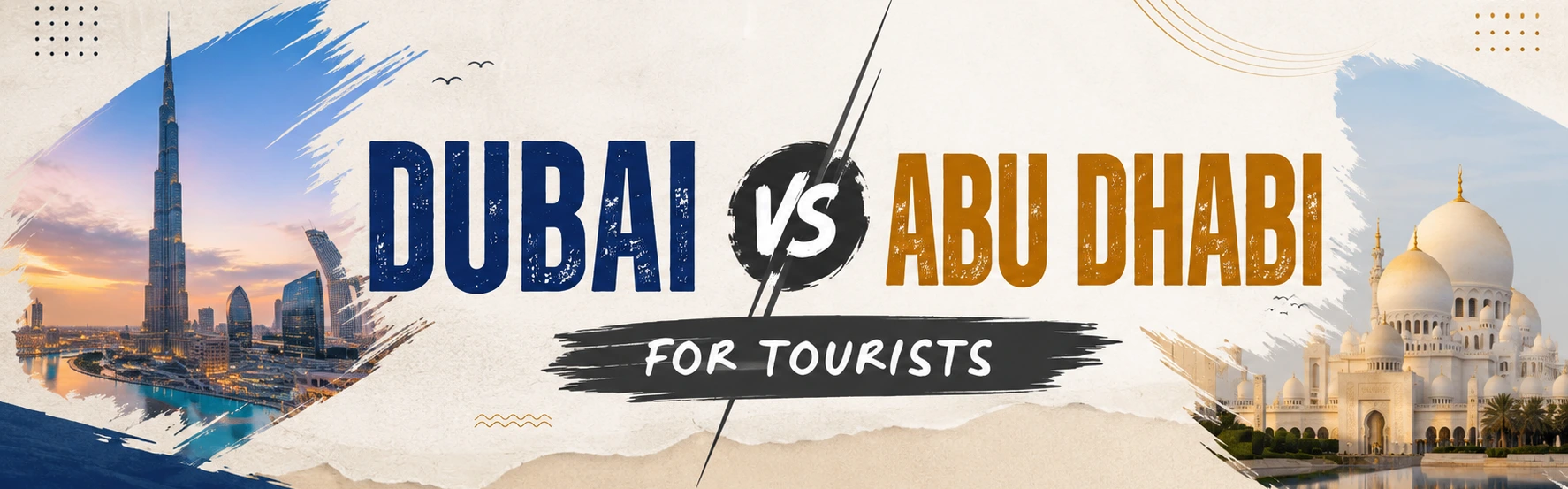

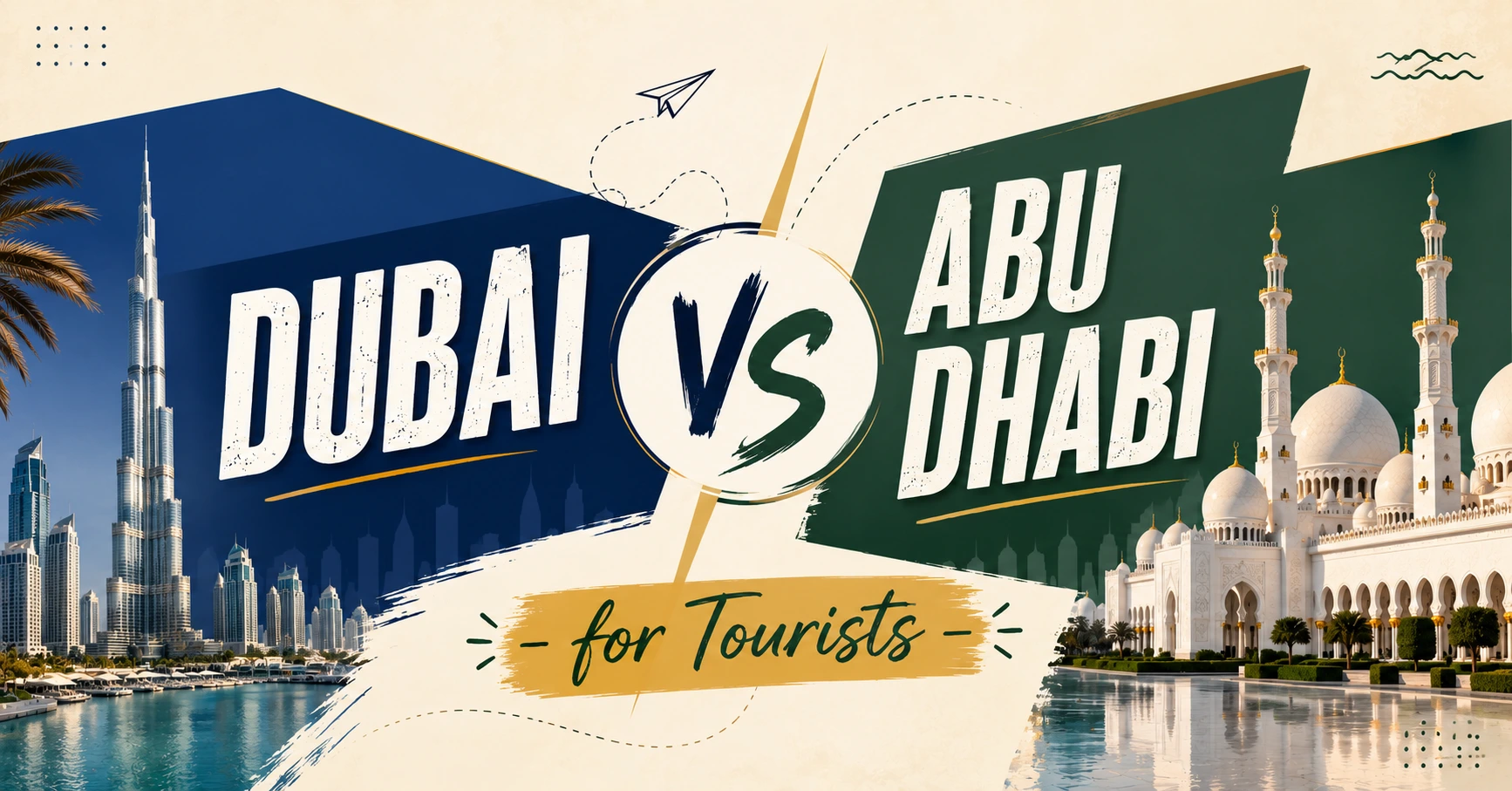
Not many visitors notice how much Dubai and Abu Dhabi share beneath the surface. While oil shaped both economies, you won't see it advertised in travel leaflets. It's not merely geography - roughly 130 kilometers - that sets them apart. Dubai thrives on spectacle: towers stretch into the sky, shopping parades pull in masses, happenings built to be seen. The capital takes another route. Years pass before museums feel complete. Slow growth marks the old districts tourists wander through now. One isn't stronger than the other. Yet the difference alters what visitors notice, though few talk about it. Wander Nova explores Dubai vs Abu Dhabi for tourists, uncovering what each city quietly offers.
The Vertical and the Horizontal
Up there, the city pulls your eyes skyward. Towering over everything, the Burj Khalifa isn't just tall - it shapes how people think. Rides shoot up in elevators so quick you hardly notice the air shifting. Views stretch beyond clouds, meals unfold miles above street noise, where breath stays steady yet something still feels different. Reaching high isn't random; it follows a pattern seen across Dubai - squeeze more meaning into every meter of ground by building toward the clouds. Buildings press close, shaping a rhythm down below. Step outside, movement surrounds you fast. Malls link to plazas, fountains sit near lobbies - spaces overlap without warning. Moving around feels simple at first glance. Still, one sight piles onto another. Room to pause? Almost gone. Dubai vs Abu Dhabi for tourists often comes down to this density of experience.
Out past the dunes, Abu Dhabi grows sideways. A vast mosque lies low on barren ground, its domes catching light where sand meets sky. Meanwhile, museums stretch along Saadiyat's shoreline like pages opened wide. Roads breathe here - broad lanes, few turns, long pauses between stops. Journeys unfold without hurry, each turn offering stillness instead of noise. Dusk paints the drive on Corniche Road in quiet light, city shapes blurring into homes. Not landmarks now - streets breathe differently when you see where people live. The pace shifts without warning. Moments grow longer than expected. Walking feels heavier, softer, almost thick. Most travel pages skip this change, yet visitors past day four often speak of it anyway. When weighing Dubai vs Abu Dhabi for tourists, the rhythm of daily life matters deeply.
Shopping Culture Beyond Surface and Depth
Inside Dubai, shopping centers act more like amusement districts. Not only do they sell things, but you will also find underwater zoos, snow-covered hills, digital play areas nested within them. Inside, space stretches almost endlessly, nearly 1.2 million square meters packed into one place called Dubai Mall. As outdoor temperatures rise above forty degrees, movement shifts inward, drawn by passageways kept cool, turning them into spots where folks meet without planning. Residents treat its corridors as places to connect - arranging meetups, strolling through wide lanes, sometimes running laps in spaces kept comfortably cool. On the lower level, global names take up space. Upstairs, high-end names hold their ground. Every year since ninety-six, shoppers come during special times when prices drop because of no taxes. These moments pull people from nearby areas just for these deals. Dubai vs Abu Dhabi for tourists shopping-wise leans toward spectacle and scale.
Out past Abu Dhabi's wider streets, shopping fits quietly into how neighborhoods work. Places such as Al Wahda Mall or Midpoint Souq aren't built to wow anyone with scale. Instead, they sit inside communities where people already live - doing errands, eating, moving about naturally. Come weekends, spots like Al Dhafra host markets that carry homegrown food, handmade clothes. These aren't staged shows for visitors; they simply unfold alongside regular routines. Out here, progress isn't measured by crowds passing through gates. It's kept alive in wrinkled hands trading dates on worn cloth spreads. Old ways survive not because they're charming - but because they work. You won't find neon signs or filtered photos of these lanes. What you get instead: a pulse beneath polished malls, quiet, stubborn, real. Dubai vs Abu Dhabi for tourists reveals two distinct shopping philosophies.
Museums and cultural institutions depend on timing
Sunlight cuts through the dome in sharp shapes, like shadows under desert palms. A deal signed with France back in 2017 made way for Louvre Abu Dhabi - thirty years long, not often seen elsewhere. State money drives cultural projects here more than in most places. Instead of just branding, there's real collaboration: artworks travel both ways, teams co-curate, restoration work happens side by side. Buildings echo old forms while standing completely new. Still, visitor numbers stay modest when set beside Dubai's attraction-heavy spots. The reason? Part of it ties to place - getting there means driving or booking a trip, since Saadiat Island misses quick public transport hooks. Dubai vs Abu Dhabi for tourists culturally depends on whether you seek depth or immediacy.
Looking out over the city from inside a massive rectangular structure - that is what the Dubai Frame delivers, more about snapshots than stories. Instead of keeping old objects safe, Dubai leans into experiences that feel real without showing originals. Now inside Al Fahidi Fort, where the Dubai Museum used to be, sits the Dubai Future Museum following updates in 2023 - eyes set forward, never backward. One spot dreams up how urban spaces could unfold, while a different one stays buried in the past. In Abu Dhabi, Qasr Al Hosn lets people walk near active dig spots when tour groups pass through, linking today's sidewalks to buried pasts below. Each method holds worth. Not every sand grain tells a tale - but some still do. Dubai vs Abu Dhabi for tourists in terms of heritage offers preservation versus projection.
Beaches and Water Access Balancing Rules and Freedom
How coastlines are handled can seem alike yet differ in key ways. Strict rules shape Dubai's shoreline spaces. Take JBR Beach - swimming spots marked clearly, lifeguards posted high, time on sand limited by rule. Municipal teams run these public stretches directly. Most hotel beaches shut out visitors unless they book a spa session or dinner first. Being close to the sea won’t guarantee access. Areas like Palm Jumeirah grew from plans focused on buildings, not shorelines. Dubai vs Abu Dhabi for tourists on the waterfront involves access versus exclusivity.
Open stretches of coast still exist across Abu Dhabi. Access to Corniche Beach costs nothing, offering spots to sit under cover, routes for bikes, also areas where children play. Even with private zones nearby, multiple gateways stay available all year long. Each month, officials from the environment department test seawater cleanliness - the findings appear on websites - which sometimes means temporary shutdowns depending on time of year. Some people who show up may see warning signs if they did not hear about recent changes. Yet the place stays mostly open, allowing drop-in access that feels rare in a city where beach trips are usually planned far ahead. Dubai vs Abu Dhabi for tourists often surprises those who assume all Gulf beaches are privatized.
Heat and Urban Design Invisible City Structures
Heat pushes both places to act, yet their paths split sharply. Out there in Dubai, tiny climate tweaks shape daily life - fog sprays drape over sidewalks, covered pathways snake between towers, subterranean links join hubs beneath Business Bay. Moving on foot stays possible, shielded from relentless sky-fire. Short wins pile up, though electricity groans under load. Chilling open squares guzzles juice faster than sealed rooms do, measured patch by patch. Dubai vs Abu Dhabi for tourists involves understanding these microclimates.
Wind towers rise where old ideas meet new thinking. These tall forms, shaped like desert ancestors called barajeel, pull air down without machines. Sunlight bounces off surfaces built to stay cool. Paths between buildings twist just enough to block harsh rays. What looks quiet holds careful thought. Even if Masbur isn't fully built yet, parts already show less need for air conditioning. Visitors will find some spots naturally more comfortable, minus any obvious machinery - just a subtle benefit. Dubai vs Abu Dhabi for tourists extends to how each city fights the heat.
Getting Around Infrastructure Reality
Most areas rely on transit access for freedom to move. Along main visitor routes - like near Burj Khalifa, the big mall, or air travel hubs - the city rail reaches well. Service stays regular through evening hours, ending around midnight. On Saturdays and Sundays, trains stick around a bit longer. Cabs show up easily, while phone-hailed rides operate across zones. Still, getting from transit stops to destinations is tough. Some sites are hundreds of meters away from stations, without sheltered walkways. Dubai vs Abu Dhabi for tourists often hinges on this transit convenience.
Homes sit closer to bus stops than landmarks do. Right now, there is no train service for people to ride. That freight track run by Etihad Rail? It moves cargo, never travelers. Waiting times grow when visitors depend on public options, forced onto winding paths. Apps can summon rides, though finding drivers thins out past downtown hubs. Getting around by rental car tends to be essential, particularly when heading to desert spots such as Al Ain. With that freedom comes shifts in how trips unfold: routes bend to your schedule, expenses climb, attention tightens on local driving laws you might not know. Dubai vs Abu Dhabi for tourists becomes a question of independence versus infrastructure.
Religious Sites and Visitor Etiquette
Visitors who are not Muslim can enter mosques in both places, yet rules aren't the same everywhere. At Abu Dhabi's Sheikh Zayed Grand Mosque, what you wear matters - checks happen at the gate, clothing is given if needed, photos only allowed in marked spots. Before going inside together, guides offer a short talk about basic beliefs of Islam. When lots of people come, access gets limited. Dubai vs Abu Dhabi for tourists at religious sites reflects formality versus dialogue.
Each morning, visitors gather at Dubai’s Jumeirah Mosque for guided visits run by the Sheikh Mohammed Centre for Cultural Understanding. Talks unfold with ease, led by guides who listen closely, respond openly. Curiosity finds room there - questions rise without pause when discussions open up. Instead of focusing on appearances like Abu Dhabi does, Dubai leans into real talk. Booking ahead is a must - showing up without one won't work. Even with modest dress needed, you will find translations offered in several languages. Prayer visits are not open to just anyone at either location because only those on signed-up tours can join. Quiet rules apply. Dubai vs Abu Dhabi for tourists spiritually depends on whether you seek reverence or conversation.
Match Choices to How You Travel
Most folks stopping by for just a day or two find Dubai works well. Its attractions sit close together. Even rushed schedules feel less tight. Most big sights can be reached without rushing when you’ve got four whole days. Yet patterns start repeating - resort pools begin mirroring one another, food spots tucked in malls push chain labels, familiar logos slowly replace local flavor. Dubai vs Abu Dhabi for tourists for short trips favors the former's density.
Spending more than five days tends to suit Abu Dhabi's gradual rhythm. When visitors join local gatherings, Saturday market outings, or guided trips into the dunes near Bani Yas, pieces start connecting. Young ones show interest in animal exhibits at the UAE National Wildlife Center. Those studying art take notes from current installations at Manarat Al Saadiyat. Moments stack - meaning grows without announcement. Dubai vs Abu Dhabi for tourists over longer stays reveals the capital's slow-blooming appeal.
Move through choices like a beat, not a list. Wonder whether you'd rather hold sharp instants or slow unfolding scenes. Let where you go answer that question before anything else. Wander Nova hopes this guide to Dubai vs Abu Dhabi for tourists steers you toward the city that matches your rhythm.
FAQs
Q. Abu Dhabi vs Dubai Tourist Costs?
A. It depends. Places to stay can differ a lot across each city. Certain hotels in Abu Dhabi cost less, yet Dubai answers back with packages that throw in entry to attractions.
Q. Is it possible to see both places during a single journey?
A. Exactly. Travel time clocks in around ninety minutes using the E11 road. Some guided outings provide full-day journeys from Dubai heading toward Abu Dhabi.
Q. Do I need a visa for either city?
A. Who you are decides what visa rules apply. People from Gulf Cooperation Council nations can walk right in. Those from elsewhere might get entry papers when they land, though some must sort out digital passes before leaving home.
Q. Which city has better beaches?
A. Open access isn't equal. Along the shore, Abu Dhabi gives wider public reach. Cleaner sands appear in Dubai - tighter upkeep explains that - but entry often comes with limits.
Q. Public Transport Reliability in Abu Dhabi?
A. Only a few options open to visitors. Though buses run, they skip some sites. To move freely, renting a car makes sense.
Q. Outside holy places, do people follow any clothing rules?
A. While there's no law, dressing conservatively tends to fit better when out and about. For swimming clothes, stick to areas like beaches marked for it or pool settings specifically set aside. Places such as these are where they truly belong.
Q. Can unmarried couples share hotel rooms?
A. Since 2020, it's been allowed by law. Double rooms in hotels can now be booked without showing a marriage certificate.
Q. When is the best time to visit?
A. Warm days come between November and March. From June through September, it gets very hot yet costs less to stay.
Q. Open display of alcohol - does it happen here?
A. Liquor flows through approved spots across the city. Inside Dubai Duty Free, supermarket aisles stock bottles behind glass counters. Back when Abu Dhabi held back, its grocery chains stayed dry - change crept in slow until fresh rules opened a few doors. Now, here and there, shelves show what wasn't allowed before.
Q. Are desert safaris different between cities?
A. Besides dune drives, you might get a camel ride or a meal at camp. Tours out of Abu Dhabi often add stops at places like Liwa Oasis. Some operators toss in nature reserves if they're based there.
WanderNova Services
Best Flight Deals
Mumbai to Delhi Flight Tickets | Mumbai to Bangalore Flight Tickets | Kolkata to Mumbai Flight Tickets | Kochi to Abu Dhabi Flight Tickets | Lucknow to Riyadh Flight Tickets | Delhi to Ahmedabad Flight Tickets
Domestic Flights
Pune to Bangalore Flights | Chennai to Delhi Flights | Bangalore to Chennai Flights | Mumbai to Delhi Flights | Bangalore to Hyderabad Flights | Ahmedabad to Goa Flights | Mumbai to Kolkata Flights | Hyderabad to Delhi Flights | Bangalore to Goa Flights | Mumbai to Goa Flights
International Flights
International Flights Booking | Delhi to Dubai Flights | Delhi to Bangkok Flights | Delhi to Toronto Flights | Mumbai to Dubai Flights | Delhi to Singapore Flights | Delhi to London Flights | Delhi to Kathmandu Flights | Mumbai to London Flights | Chennai to Singapore Flights | Mumbai to Singapore Flights | Delhi to New York Flights | Kolkata to Bangkok Flights
Best Hotel Deals
Hotels In Dubai | Hotels In Mumbai India | Hotels In Pune India | Hotels In Singapore | Hotels In Kochi India | Hotels In Munnar India | Hotels In Bangkok Thailand | Hotels In Kuala Lumpur Malaysia | Hotels In Mecca Saudi Arabia | Hotels In Mahabalipuram India
Apply Visa Online
Dubai Visa Online | 14 days Dubai Visa | 30 days Dubai Visa | 60 days Dubai Visa | Dubai Transit Visa | UAE Visa | Singapore Visa | Malaysia Visa | Thailand Visa | Sri Lanka Visa | US Visa | UK Visa | Schengen Visa | Canada Visa | Australia Visa | New Zealand Visa | France Visa | Italy Visa | Turkey Visa Online | Philippines Visa | Cambodia Visa Online | Vietnam Visa Online | Oman Visa
International Tour Packages
Dubai Tour Packages | Singapore Tour Packages | Thailand Tour Packages | Malaysia Tour Packages | Sri Lanka Tour Packages | US Tour Packages | United Kingdom Tour Packages | South Africa Tour Packages | Europe Tour Packages | Bali Tour Packages | Mauritius Tour Packages | Maldives Tour Packages | Cordelia Cruise Packages
Domestic Tour Packages
India Tour Packages | Goa Tour Packages | Kerala Tour Packages | Leh Ladakh Tour Packages | Himachal Tour Packages | Andaman Tour Packages | Rajasthan Tour Packages | Uttarakhand Tour Packages | Jammu and Kashmir Tour Packages
Packages by Themes
Honeymoon Packages | Adventure Packages | Visa on Arrival Packages | Family Packages | Romantic Packages | Weekend Getaways Packages
Leave a Comment
Your email address will not be published. Required fields are marked *