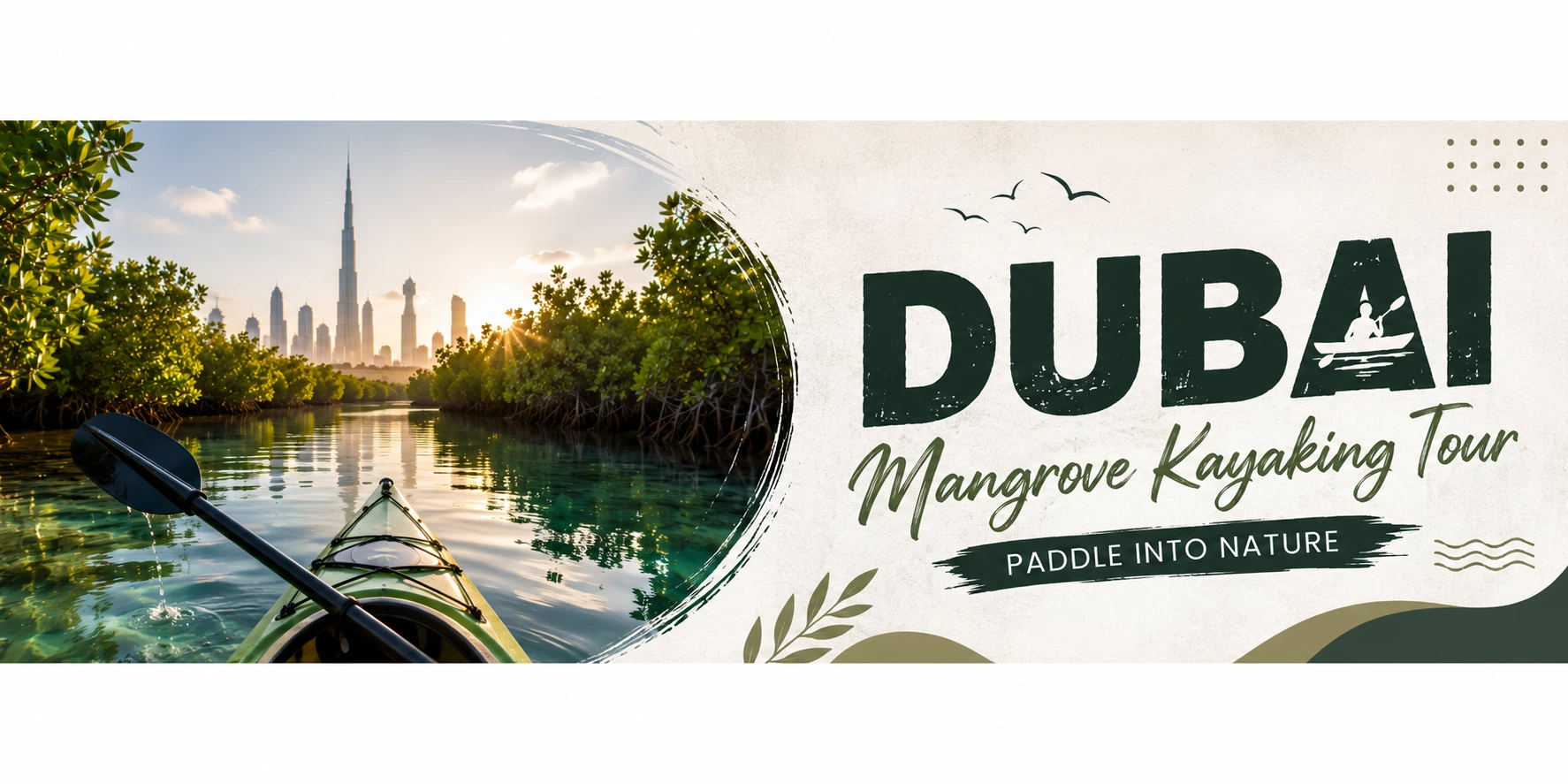

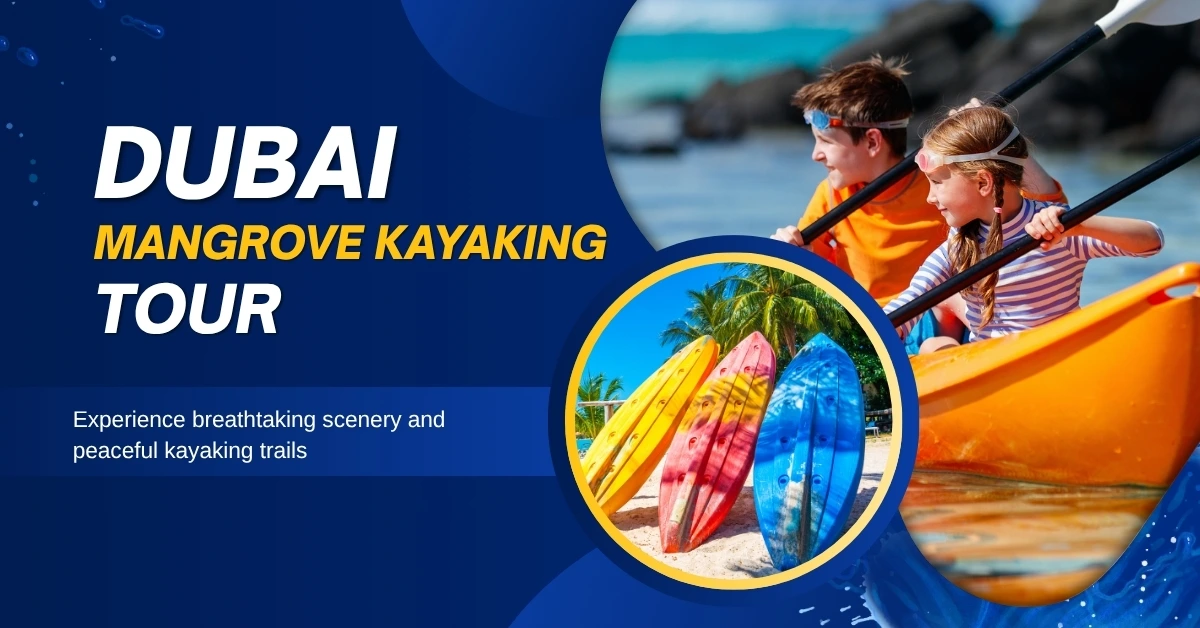
Wander Nova – Beyond those shiny skyscrapers in Dubai, a quieter rhythm unfolds. Along parts of the coast, mangroves grow in clusters - small trees with knotted roots, holding on where salty water mixes with mud. Not flashy at all. Their cover gives uneven shelter, their bodies twisted by wind and tide. But drifting quietly among them on a Dubai mangrove kayaking tour shifts something in your view of the city. Familiar signs - the tall buildings, constant rush, loud hum - slip away, muffled by thin branches and chirping wings. This does not mean leaving. Instead, it feels like adjusting what you notice.
Starting from the Water
People mostly come by land. Beaches, shopping centers, subways. Not many start from the water. Paddling asks you to begin down there. Floating low, matching the height of wet soil edges. Catching sounds of crabs scrambling over tangled root tips near the flow - this shows things normally get ignored. That difference counts. It isn’t that mangroves impress with spectacle - they don’t - yet they demand time. Slowing down while navigating their tangled roots on a Dubai mangrove kayaking tour gradually shifts how the world nearby appears.
Protected Growth
In 2019, Dubai set aside a stretch of land near Ras Al Khor. Roughly fifteen million square meters now fall under protection. Not just because visitors like nature walks. These trees pull in carbon at rates that beat plenty of inland forests. When storms build up offshore, the thick roots soften the impact. Erosion slows down where trunks tangle into wet soil. Young fish find shelter among submerged branches too. Some numbers straight from Dubai Municipality show a roughly 17% rise in homegrown mangroves since 2010, thanks to steady replanting. Not fast growers - Avicennia marina, the kind found here, might hit two meters only after five years - they stick around once settled, a quiet triumph witnessed on any Dubai mangrove kayaking tour.
Reality on the Water
A single image holds balance. Water lies flat, mirroring shapes above. Trunk meets sky in quiet alignment. The real world, experienced on a Dubai mangrove kayaking tour, shows more flaws. Early light sometimes leaves fog curled in the trees. By afternoon, air moves harder, sending ripples that push boats sideways. Out of nowhere, roots push up through thin water trails. When day breaks, a spooked heron bolts wide and fast - later on, with mudflats bare at low tide, they hardly lift off before settling again.
The Pull of Tides
Out here, odd shifts begin to mean something. Clues hide where feet never touch ground. Take how the sea pulls back - rules every living thing on these flats. Suddenly, the water slips away fast enough to leave whole worlds exposed. Water levels decide what paths work each day. When the sea rises, deep passages clear for bigger boats. As it drops, vessels can get stuck in muddy bottoms. People who know the area watch tide timetables more than clocks. A company mentioned in official filings that nearly seven out of ten Dubai mangrove kayaking tour trips must shift dates because tides don’t match when guests can come.
A Quieter Soundscape
Listen closer. Thick plants around water slow down sound. Noise from highways, machines, buildings - it gets softer here. Tall towers might show past the trees, yet their rumble does not reach far. Instead, light taps rise up - feathers brushing air, drops falling off oars, ripples breaking silence. Out near the water, trees might do more than just look peaceful. Scientists in the UAE noticed noise dropped by nearly 12 decibels where mangroves grow, when compared to bare shorelines nearby. Quiet like that? It shapes calm better than scenery ever could, and a Dubai mangrove kayaking tour immerses you in this unexpected hush.
Shifting Salinity
Later on comes the shifting salt levels. Though ocean water usually holds about 3.5% salt, areas around mangrove roots change often. Because rain drains in, because heat pulls moisture up, because tides push back and forth, tiny spots form where salt drops under 2%. In these pockets, some crabs and shellfish do well near land. Those who look closely on a Dubai mangrove kayaking tour find signs - holes tucked by root bottoms, groups of oysters stuck to sunken branches. Most clips miss these bits entirely. Only when things drag on a while do they show up, popping into view after you’ve passed through again and again.
Seasonal Comfort
Later months shape comfort far beyond equipment choice. From November to March, heat stays mild - peaks near 28°C. Once April arrives, temps climb past 35°C, raising fluid loss dangers, shade or not. Wildlife stirs more often when days begin, winds stay gentle then too. Though some trips run later, they meet rough breezes plus sharp sunlight. A Dubai mangrove kayaking tour is best scheduled for early morning during these hotter months.
Choosing an Operator
Start off by choosing only authorized tour companies. The Dubai tourism authority keeps a list of those following eco-friendly rules. Each guide handles no more than fifteen paddlers at once, ensuring safety and control. Before launching, everyone must attend talks about avoiding harm to animals. Taking trash back to shore is required - no exceptions. You might spot small outfits running trips without approval. They usually skip staff training and ignore conservation steps, so always book a certified Dubai mangrove kayaking tour.
What to Bring
Go light on gear. Rentals usually come with either a single or tandem kayak, plus paddles and life jackets - with the occasional waterproof phone pouch thrown in. Shielding skin from sunlight falls to you alone. Wear a hat if possible. Long sleeves that block UV rays help too. So does sunscreen labeled safe for coral reefs. Most everyday lotions leak harmful stuff into the sea - particularly noticeable where water barely moves between coves, so a mindful Dubai mangrove kayaking tour should include reef-safe protection.
Rules of the Reserve
Out by the shore, that is where most guides begin. Paddling tips come up early, along with hand signals for staying safe, while some spots are marked off limits. Getting into protected zones happens only under rules. A few places? Footing there is not allowed at all. Some let you pause briefly at designated spots. Under UAE Federal Law No. 23 of 1999, which safeguards natural resources, giving food to wild animals isn’t allowed, a rule strictly enforced on every Dubai mangrove kayaking tour.
Where Tours Begin
Out here, trips start at Al Qudra Lake or from the edge of Jebel Ali Nature Reserve. Getting there? It shifts - one company might send a ride from downtown, another leaves you to sort your own way. Build a breathing room before departure. Signing happens up front: forms that cover risk, plus notes on gear handed out, standard for a reputable Dubai mangrove kayaking tour.
How Long on the Water
Some routes last just under an hour, others stretch close to three. Moving farther out means heading for creek ends, where river flow meets ocean push. Life thrives at these meeting zones, though timing tides become critical. A few guides check water levels on portable sonar units - measurements kept private to prevent getting stuck, a behind-the-scenes detail of a well-planned Dubai mangrove kayaking tour.
Behind the Green Label
Most of these trips are sold as green travel, yet they exist inside regular city setups. Water pollution flows in from construction zones close by. City documents mention nitrogen levels rising now and then around the edges of mangroves, a pattern tied to garden chemicals used in yard care. Guides can’t stop that kind of contamination, though knowing about it makes certain sights make more sense on a Dubai mangrove kayaking tour - slimy patches on roots here and there, smells changing slightly when the sea pulls back.
Booking Your Tour
Start by picking a time - cooler seasons work best, especially early hours. Head to the DTCM site for current names of approved guides. Look closely at what each package covers - transportation links to equipment standards connect to guide training. Promises like “certain animal views” should raise red flags - it's neither realistic nor responsible. Focus shifts toward teams teaching how nature behaves within its surroundings, the true value of a Dubai mangrove kayaking tour.
Final Steps Before You Paddle
Start by reaching out to your selected operator. Check the time frame they allow for reservations, how cancellations work, their exact pickup location. Wondering if kids can join? Most set a minimum age around twelve. Get clarity on what level of fitness is needed. Kayaking isn’t intense, yet it does involve arm movement and staying steady. For groups with different abilities, certain companies provide two-person setups, making the Dubai mangrove kayaking tour accessible to more people.
A Quiet Truth
Wander Nova – Get there ahead of time. If the launch runs late, it throws off everything tied to the tide. Bring water along, put on clothes that dry fast, slather on sunscreen before you head out. When moving, pay less attention to where you’re going, fix instead on how steady your rhythm stays. Floating near tangled roots now and then, eyes down tracking what stirs below - those seconds tend to matter far more than miles passed, a quiet truth a Dubai mangrove kayaking tour reveals.
FAQs
Q. Location of Dubai Mangrove National Park?
A. On the west side of Dubai, it stretches close to where Abu Dhabi begins. Getting there usually means passing through Jebel Ali.
Q. Can beginners go kayaking in the mangroves?
A. True enough. Many trips welcome beginners by offering clear guidance along with steady boats for those new to paddling.
Q. Swimming okay while we’re out here?
A. Not allowed here. The rules block it inside the protected zone because wildlife needs calm water to survive undisturbed.
Q. Life vests available on site?
A. Floating gear? It comes included. Every approved provider gives out vests built to match UAE rules.
Q. How physically demanding is the tour?
A. Paddling stays steady through the whole stretch - roughly one to two hours without a break. Anyone dealing with shoulder troubles or back pain should skip this outing. The motion pulls hard on upper body muscles, day after day it adds up.
Q. Can children join?
A. Twelve-year-olds might join certain activities - adults must be present at all times. Not every provider allows younger kids, but a few do if supervision is guaranteed.
Q. What To Bring?
A. Ahead of your trip, pack water plus a wide-brimmed hat. Sunglasses should have a strap - loose gear can vanish fast. Bring the camera only if it's sealed in a waterproof case. Things that flap or dangle often go missing without warning.
Q. Are guided tours mandatory?
A. True. Paddling solo stays off-limits inside the conservation area.
Q. What wildlife might be seen?
A. Birds such as grey herons turn up often, along with flamingos wading in shallow lagoons close by. Crabs scuttle around, joined by young fish darting through water. Dolphins show themselves once in a while, though always far off. Their shapes break the surface just long enough to notice.
Q. Could paddling through tangled roots damage these salty forests?
A. Most of the time, things stay undisturbed if people stick to paths. Following marked routes helps protect what lies below when guides have proper approval.
WanderNova Services
Best Flight Deals
Mumbai to Delhi Flight Tickets | Mumbai to Bangalore Flight Tickets | Kolkata to Mumbai Flight Tickets | Kochi to Abu Dhabi Flight Tickets | Lucknow to Riyadh Flight Tickets | Delhi to Ahmedabad Flight Tickets
Domestic Flights
Pune to Bangalore Flights | Chennai to Delhi Flights | Bangalore to Chennai Flights | Mumbai to Delhi Flights | Bangalore to Hyderabad Flights | Ahmedabad to Goa Flights | Mumbai to Kolkata Flights | Hyderabad to Delhi Flights | Bangalore to Goa Flights | Mumbai to Goa Flights
International Flights
International Flights Booking | Delhi to Dubai Flights | Delhi to Bangkok Flights | Delhi to Toronto Flights | Mumbai to Dubai Flights | Delhi to Singapore Flights | Delhi to London Flights | Delhi to Kathmandu Flights | Mumbai to London Flights | Chennai to Singapore Flights | Mumbai to Singapore Flights | Delhi to New York Flights | Kolkata to Bangkok Flights
Best Hotel Deals
Hotels In Dubai | Hotels In Mumbai India | Hotels In Pune India | Hotels In Singapore | Hotels In Kochi India | Hotels In Munnar India | Hotels In Bangkok Thailand | Hotels In Kuala Lumpur Malaysia | Hotels In Mecca Saudi Arabia | Hotels In Mahabalipuram India
Apply Visa Online
Dubai Visa Online | 14 days Dubai Visa | 30 days Dubai Visa | 60 days Dubai Visa | Dubai Transit Visa | UAE Visa | Singapore Visa | Malaysia Visa | Thailand Visa | Sri Lanka Visa | US Visa | UK Visa | Schengen Visa | Canada Visa | Australia Visa | New Zealand Visa | France Visa | Italy Visa | Turkey Visa Online | Philippines Visa | Cambodia Visa Online | Vietnam Visa Online | Oman Visa
International Tour Packages
Dubai Tour Packages | Singapore Tour Packages | Thailand Tour Packages | Malaysia Tour Packages | Sri Lanka Tour Packages | US Tour Packages | United Kingdom Tour Packages | South Africa Tour Packages | Europe Tour Packages | Bali Tour Packages | Mauritius Tour Packages | Maldives Tour Packages | Cordelia Cruise Packages
Domestic Tour Packages
India Tour Packages | Goa Tour Packages | Kerala Tour Packages | Leh Ladakh Tour Packages | Himachal Tour Packages | Andaman Tour Packages | Rajasthan Tour Packages | Uttarakhand Tour Packages | Jammu and Kashmir Tour Packages
Packages by Themes
Honeymoon Packages | Adventure Packages | Visa on Arrival Packages | Family Packages | Romantic Packages | Weekend Getaways Packages
Leave a Comment
Your email address will not be published. Required fields are marked *